




Trip booking for 2025 and 2026 is open, you can book any trip from our website.


It is common knowledge that Nepal is a cosmopolitan nation. Within Nepal’s own culture, customs, festivals, rituals, and religion, several ethnic groups coexist peacefully. Nepal’s rich culture and customs are exemplified by the diverse range of festivals it celebrates. Nepal hosts a number of festivals; a list of some of the more significant ones is provided below. Although there are events throughout the year, the country is most lively from October to March. Moreover, Nepal is a secular nation. As a result, each ethnic tribe and its adherents celebrate their own holidays in lavish fashion with their families. Read through some facts on Nepal’s biggest festivals to gain some understanding of the country’s key celebrations and their dates.
You will also understand the significance of these well-known Nepalese holidays.
One of Nepal’s auspicious festivals, Gai Jatra is mostly observed by the Newar community. Gai Jatra is a huge street celebration that honors the passing of loved ones, and the term “gai” in Nepali means “cow.” According to the Nepali and English calendars, people celebrate the Gai Jatra celebration in August and Bhadra. According to the Nepali calendar, the Gai Jatra celebration is scheduled for August 10th, 2025 (Sunday, April 25, 2082). People in cow costumes parade around the streets. The celebration was first held during the Malla Queen’s grief over her son’s premature passing. To comfort the Queen, the King planned a parade in which all the families who had lost a loved one were invited to demonstrate that she was not alone in her pain. People find this festival to be enthralling and amazing, therefore travel to Nepal to participate.
One of Nepal’s most exciting and well-known holidays is Indra Jatra. The month-long autumn festival season begins in September with the eight-day Indra Jatra festival, also called the Nepal Kumari festival. The festival honored the moment that Indra descended from heaven in human form in search of a herb. For eight days, the younger community ran chariots and did mask dances to commemorate the holiday. Additionally, oil wicks are used to illuminate the Kathmandu Durbar Square region. All of the historical sites appear magical during the festival season. Indra Jatra often takes place in September. According to the Nepali calendar, Indra Jatra 2025 will take place on Saturday, September 6, which coincides with Bhadra 21, 2082. It is one of the greatest seasons to travel to Nepal because it marks the beginning of the holiday season and the complete end of the rainy season.
Another significant celebration celebrated in Kathmandu is Bhoto Jatra. Astrologers use this auspicious occasion to determine when Bhoto Jatra should take place. As a result, the dates are not consistent, and 2025 dates have not yet been determined. This celebration, however, mostly takes place during Asar in the Nepali calendar and early June in the English calendar. A jewelled bhoto is displayed to the public during this celebration. Although bhoto is merely a vest, the ones displayed at this occasion are associated with myths. As a result, a lot of people come to see the bhoto. It is therefore known as Bhoto Jatra. Bhoto Jatra often takes place on the final day of Rato Machindranath Jatra, one of Nepal’s major festivals, which lasts for several months.
One of Nepal’s most well-known celebrations, Holi is also referred to as the festival of colors and is observed in March. In two distinct parts of Nepal, the event is celebrated separately for two days. In Nepal, the Hilly area, which includes Kathmandu and Pokhara, will celebrate Holi on Thursday, March 13, 2025, whereas the Terai region will celebrate it on Friday, March 14, 2025. It falls on Chaitra 29 in the hilly area and Chaitra 30 in the terai, according to the Nepali calendar (2081 B.S.). According to the English calendar, the Holi celebration is held in March instead of March-April. People of all religions enthusiastically celebrate this festival, despite the fact that it is a religious holiday for Hindus. The celebration used color to spread the message of happiness and love.
Nepali ladies, Teej, also called Haritalika, is the most auspicious holiday. Hindu women fast for 24 hours during the three-day festival of Teej. From August 26 to August 28, Nepal will celebrate the Teej festival in 2025. August 26 (Bhadra 10, 2082) is Haritalika Brata (Teej Festival), August 27 (Bhadra 11) is Ganesh Chaturthi, and August 28 (Bhadra 12) is Rishi Panchami. In the past, women would dance all day long and rapidly without consuming any water. However, women still dance throughout the day and drink water these days. During the Teej festival, women dress in exquisite red saris and pricey jewelry. Teej is a traditional celebration, but because it encourages sisterhood, it has both traditional and contemporary characteristics. According to the Nepali and English calendars, Teej celebrations often take place in August or September and during the month of Bhadra.
Everyone in Nepal celebrates Dashain, the country’s longest holiday, which lasts for 15 days. The celebration honors Durga’s triumph over the forces of evil. Similarly, it commemorates the triumph of Lord Ram over Ravana following Durga’s portrayal of the monster Mahisasur. In celebration of this triumph, Nepalese celebrate the festival with their loved ones. Every day, delectable meals are prepared, blessings are bestowed for several days, and tikis are placed. According to the Nepal Sambat calendar, the Dashain Festival is celebrated by the Nepalese every year in Asoj of Kartik. Likewise, according to the English calendar, it occurs in October. In 2025, the Dashain festival will take place from September 22 to October 07, which is equivalent to Ashwin 6–21, 2082 in Nepali calendar years. October 2 is Vijaya Dashami (Tika Day) (Ashoj 16, 2082).
The Tihar festival, an auspicious festival of light, occurs around two weeks after Dashain. Tihar, sometimes called Deepawali, lasts for around a week. The city is illuminated by various lights, rangoli, deeyas, and firecrackers as part of a daily celebration. Exaggerated lightning is used to decorate each house, making them compete with one another. Tihar is Nepal’s second most celebrated celebration, after Dashain. With friends, family, and relatives, people celebrate this occasion in splendor. Children and youths then play Bhailo and Deusi at each other’s homes, blessing each one they go to. Overall, Dashain Tihar is distinct and shows respect for animals that have coexisted with humans for a long time, such as cows, dogs, and crows, in addition to the gods. The Nepal Sambat calendar normally places Tihar in the month of Kartik. Similarly, the Tihar occurs in November according to the English calendar. If you want to fully enjoy Nepal’s vibrant Tihar festival, plan your trip. In 2025, the Tihar festival will take place from October 19 to October 23, which is equivalent to Kartik 2–6, 2082, according to the Nepali calendar. October 23 (Thursday, Kartik 6, 2082) is Bhai Tika’s birthday.
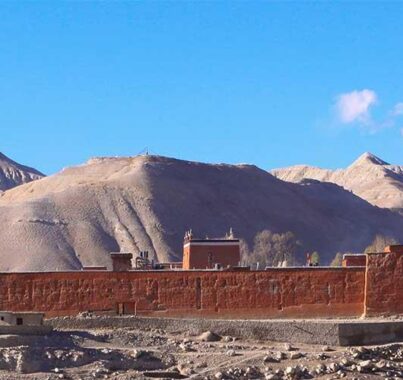
The Tiji Festival is an enjoyable event. It is seen in Nepal’s Mustang region. It is always commended when people from Mustang’s various cities join in the celebration. It is a celebration that gives the locals and residents of Mustang joy, brightness, and optimism for the wonderful future. Over the course of three whole days, the ceremony is gradually appreciated. In 2025, the Tiji festival will take place from May 24 to May 26, which is equivalent to Jestha 10–12, 2082, according to the Nepali calendar. This celebration is joyfully celebrated for days by people through a variety of ceremonies and customs, including mask dancing. Demon MA TAM TU TA’s torment of individuals is reenacted in the mask dance. The celebration also commemorates Dorje Jono’s triumph over his demonic father. The Tiji festival is scheduled by astrologers and often takes place in May.
Buddhists in the Himalayas celebrate Mani Rimdu, a 19-day celebration, to commemorate the founding of Buddhism by Guru Rinpoche Padmasambhava. Every year, the festival takes place in November. Trek dates might be aligned with the Himalayan festival dates for those who choose to celebrate. The monasteries of Tengboche, Thame, and Chiwong host spectacular performances on three separate days throughout the joyous festivities. At these monasteries, Buddhist monks perform Tantric rites and masked dances, drawing sizable audiences from the surrounding area to celebrate. Tengboche Monastery along the Everest Base Camp climb route will host the Mani Rimdu festival in 2025 from November 5 to November 7, which corresponds to Kartik 5–7, 2082, in the Nepali calendar.
Tamang, Sherpa, Gurung, and other Himalayan communities in Nepal observe Lhosar as their New Year, adhering to the lunar calendar. Lhosar is observed by each tribe in a distinct month. For example, Tamang and Sherpa celebrate Lhosar during Magh (February) and Falgun (March), respectively, whereas Gurung celebrate Lhosar during Poush (December). When people visit monasteries, they accept the blessings of the monks for prosperity, success, and contentment. Each home raises a flag over its roof. Family and friends are invited to a party that is being hosted at the residence. Delectable food, music, and dancing are the main attractions of this event.
Mother’s Day, or Mata tirtha aunsi, is a crucial day to remember and pay tribute to our mothers. The auspicious holiday of Mata Tirtha Aunsi, also called ama ko mukh Herne din (The day to view mother’s face), is observed to honor all mothers. People show their mothers a great deal of respect and devotion by giving them their favorite foods, clothes, and other gifts. This custom is meant to honor and recognize a mother’s sacrifice and devotion. In order to honor their deceased mothers, individuals without mothers visit the Mata Thirtha temple, a revered structure outside of Kathmandu. The temple of Pashupatinath is also visited by some. According to the Nepal Sambat calendar, Mata tirtha aunsi often occurs in the month of Bhaisakh, which is April in the English calendar. On April 27, 2025, Matatirtha Aunshi (Aama Ko Mukh Herne Din) will be celebrated (Baisakh 14, 2082).
Father’s Day and Gokarna aunsi, sometimes called Kuse aunsi, are two more significant Nepalese holidays. Buba ko mukh herne din (the day to see father’s face) is another name for it. It is a lovely day to celebrate the dedication of one’s father. On this auspicious day, children pay tribute to their father’s sacrifice, love, commitment, and labor. They practice rituals and rites, spend quality time cooking mouthwatering home-cooked treats, meat, and sweets, and give their father gifts. To do the Sraddha or Pinda Daan for their departed father, sons of fatherless parents travel to the Gokarna temple. The English calendar observes Gokarna Aunsi in late August or early September, while the Nepal Sambat calendar observes Bhadra. In 2025, Saturday, August 23, will be marked as Nepali Father’s Day (Buwa Ko Mukh Herne Din) (Bhadra 7, 2082).
Another important Nepali holiday that is widely observed in Kathmandu is Ghode Jatra. Every year, a sizable horse procession is held in the Tundikhel to commemorate the demon Tundi’s passing. According to folklore, Tundi harassed the city’s residents for a long time before being killed, and the people celebrated by riding horses over his body. Since then, at the Ghode Jatra event, Tundikhel has been a flurry of horse hooves. Since it is forbidden to enter the stadium, spectators of the parade congregate outside the Tundikhel. Every year, Ghode Jatra is observed in April according to the English calendar and during Chaitra in Nepal. According to the Nepali calendar, Ghode Jatra will be observed on Saturday, March 29 (Chaitra 16, 2081) in 2025.
These are a few of Nepal’s most celebrated and well-known holidays. Although not all Nepalese celebrate all of these holidays, the majority do. However, in Nepal, these celebrations hold equal significance for the majority and are highly motivating for all. These celebrations are, after all, what distinguish Nepal from other countries.