




Trip booking for 2025 and 2026 is open, you can book any trip from our website.

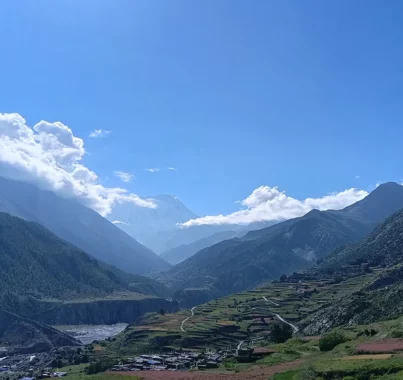


Nepal’s dedication to conserving its rich natural and cultural legacy is exemplified by the Annapurna Conservation Area (ACA). The ACA, which covers 7,629 square kilometers, is home to numerous important trekking trails that offer access to the region’s amazing biodiversity and cultural legacy.
The ACA preserves one of Nepal’s most varied ecosystems, which range from verdant rhododendron forests to barren high-altitude terrain. This mountainous area is home to more than 1,226 flowering plant species, 518 birds, 105 animals, 40 reptiles, and 23 amphibians. The more isolated regions are home to rare animals including musk deer, Himalayan black bears, and the elusive snow leopard.
The Annapurna Conservation Area Permit (ACAP), which is essential to opening the doors to an incredible journey, is at the center of experiencing this magnificent terrain. We examine the importance of the ACAP, its function in sustainable tourism, the variety of landscapes it protects, and the cultural assets it preserves in this extensive guide.
In 1992, the Annapurna Conservation Area Permit (ACAP) was created to encourage eco-friendly travel and guarantee the preservation of the region’s distinctive biodiversity and cultural legacy. Under the management of the National Trust for Nature Conservation (NTNC), this permit controls the number of visitors while providing funding for conservation projects.
To accommodate the wide range of interests of hikers, mountaineers, and cultural enthusiasts, ACAP provides a number of permit categories. The money raised goes directly toward infrastructure development, community development, and environmental preservation. Planning a trip to the area requires an understanding of the permit categories and related costs.
The foundation of the ACAP’s operations is community-based conservation. In addition to actively participating in decision-making processes, local populations gain from tourism-related income that supports infrastructure development, healthcare, and education. Those directly involved in maintaining the Annapurna region’s natural beauty will profit economically from tourism thanks to this inclusive concept.
The environment of the Annapurna region is varied, ranging from alpine meadows to lush subtropical rainforest. The ACAP provides funding for waste management, wildlife protection, afforestation initiatives, and conservation projects. Therefore, the ACA permit system is essential to preserving the area’s natural integrity.
These are some of the main trekking routes that need an Annapurna Conservation Area permit.
Annapurna Circuit : The famous Annapurna Circuit, which encircles the Annapurna Massif and offers breathtaking views of Annapurna, Dhaulagiri, Machapuchare, and other peaks, is a trekker’s paradise. The hike passes through a variety of environments, including high mountain deserts, rhododendron forests, and terraced fields.
Annapurna Base Camp trip: The Annapurna Base Camp trip is well-known for being close to the surrounding mountains’ amphitheater and tall peaks. Trekkers pass through lush forests, terraced fields, and charming villages before arriving at the base camp for a dreamlike experience.
Mardi Himal Trek: The Annapurna region of Nepal is home to the fascinating Mardi Himal Trek. Over the course of five to seven days, this comparatively short walk passes through charming communities, verdant forests, and terraced farms. Enchanting vistas of the Annapurna and Dhaulagiri mountain ranges may be seen from the trek. Arriving to Mardi Himal Base Camp, where hikers are rewarded with expansive views of the famous Machapuchare (Fishtail) and Mardi Himal, is a highlight of the journey.
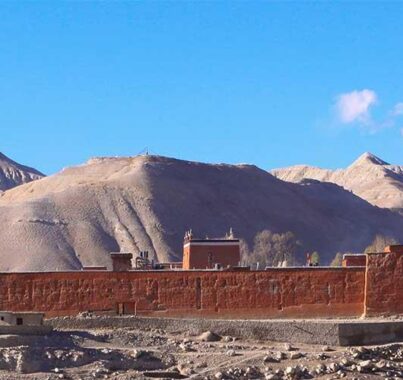
Upper Mustang Trek: This trek transports travelers to Nepal’s ethereal Trans-Himalayan area, which shares a border with Tibet. Ancient caves, a distinctly Tibetan-influenced culture, and arid, desert-like terrain are some of the trek’s distinctive characteristics. Exploring Lo Manthang, the historic walled city that served as the Mustang Kingdom’s capital, is the trek’s high point. Trekkers pass through an area that is home to chortens, monasteries, and secret caverns with elaborate murals.
Ghorepani Poon Hill Trek: Known for its expansive views of the Annapurna and Dhaulagiri mountain ranges, the Ghorepani Poon Hill Trek is a shorter but no less captivating adventure. This hike meanders past terraced fields, rhododendron woodlands, and quaint villages. The climb to Poon Hill, where hikers can witness the breathtaking dawn across the Annapurna range, Machhapuchhare, Dhaulagiri, and other Himalayan peaks, is the highlight.
In addition to providing access to the Annapurna region, the Annapurna Conservation Area Permit signifies a dedication to sustainable and ethical travel. The ACAP acts as a watchdog, making sure that the Annapurna region’s beauty remains for many generations to come as tourists explore its many landscapes, interact with locals, and take in the wonders of nature. Adventurers who embrace the spirit of conservation can set off on a life-changing trip that transcends the excitement of the hike and has a beneficial effect on the local communities and environment in the Annapurna region.