




Trip booking for 2025 and 2026 is open, you can book any trip from our website.

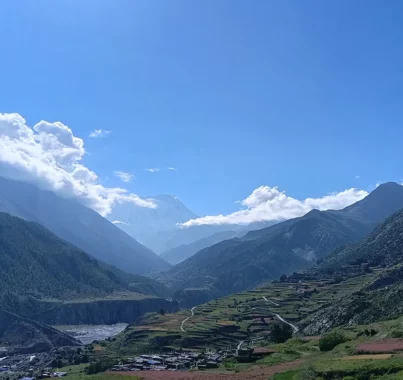
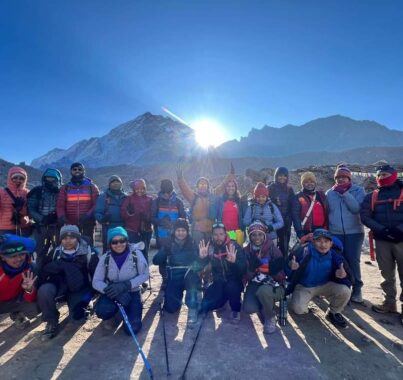
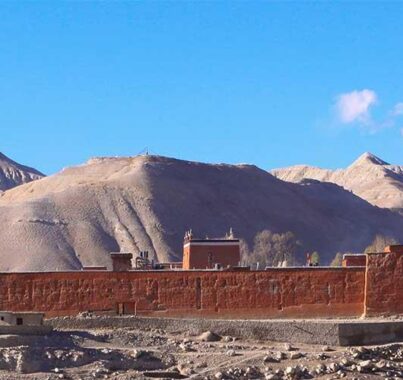

One of the most beautiful trekking routes in the Himalayas is the Annapurna Circuit. This trip, which weaves through lush valleys, rocky gorges, and thundering high mountain passes, offers unparalleled, breathtaking views and cultural interactions that are unlike many others. However, the Annapurna Circuit after road construction is a different story because the landscape of this traditional Himalayan trip has been significantly altered by road access. Without a doubt, building roads has boosted the local economy of nearby villages and made travel easier, particularly in the core area. However, they have also created difficulties that impact the hiking experience as a whole.
Many parts of the typical route follow or parallel dirt motor highways because driving routes extend deep into the countryside. However, this evolution has also made it possible for hikers to embark on fewer adventures by using motorbikes or jeeps to bypass specific terrain. Despite these changes, the Annapurna Circuit remains an excellent hiking destination. Let us look at how itineraries have changed over time, how road development impacts this round-trip travel, and how to adapt to this evolving route without losing its identity.
The entire hiking experience has been significantly impacted by the road work along the Annapurna Circuit Trek route. The original goal of this road’s design was to strengthen the surrounding villages’ ties to the city. But the road’s ease of access has altered the trek’s dynamics, logistics, landscape, and length. Following road development, some significant alterations include the following:
The Annapurna Circuit Trek was known as one of the most secluded and picturesque areas in the middle Himalayas prior to the road’s construction. Trekkers will traverse a range of landscapes, subtropical woods, and traditional teahouses far from urban areas throughout the long-distance trekking trip. However, the traditional trekking experience has changed in a number of ways as a result of the road expansion:
Shorter Trekking Distance: Walking full parts is no longer necessary because to road construction. Trekkers can use automobiles to bypass some sections of the trekking path.
Less Challenging Terrain: The rugged and remote parts of the region have been replaced by motorable highways. This has reduced the physical strain of hiking in several ways.
More Flexible Itineraries: Since not everyone has the leisure to complete the long hike, road connection has allowed trekkers to choose shorter treks. Different starting points are used, according on the hikers’ preferences.
Decline in Traditional Tea House Culture: Trekkers can easily move from one location to another thanks to the road access. The teahouses in the center of these major intersections, however, are currently having trouble. Some of these sections are now driven around by trekkers.
Dust and Vehicle Traffic: Many sections of the old pedestrian path are now paralleled by dirt roadways. Due to dust and traffic, the area’s most valuable resource—the pure trekking experience—has drastically decreased.
The road development has had a significant impact on a number of areas within the Annapurn Circuit. The hikers use vehicles to bypass numerous locations, especially in the lower region.
Besisahar to Chame: Buses and jeeps are used to avoid this first part of the journey. Trekkers can now begin their journey straight from Chame, greatly cutting down on the total hiking distance.
Jomsom to Tatopani: This section is on a maintained road. Therefore, rather than walking on dusty routes, it is more convenient for the trekkers to use a vehicle to go there.
Kalopani to Tatopani: This section, which transitioned from high-altitude desert environment and lush flora, was once one of the most popular. Now, it is less fun to cross this section due to the increased traffic.
Muktinath to Jomsom: In this area, many pilgrims and trekkers would rather travel by car. Although the trip is now more convenient, the Himalayas’ natural beauty and majestic grandeur have been much diminished.