




Trip booking for 2025 and 2026 is open, you can book any trip from our website.


Most people picture cool breezes, snow-capped peaks, and beautiful skies when they think about trekking in Nepal. However, trekking to Annapurna Base Camp (ABC) during the monsoon season (June to August) offers an entirely new — and incredibly captivating — aspect of the Himalayas to those with a daring attitude.
Because of the high levels of rainfall, slick paths, and leeches, most hikers steer clear of the monsoon season. However, many people are unaware that the Himalayas come to life during the monsoon season. Waterfalls cascade down rocky cliffs, forests turn a deep green, and the wonderful aroma of damp earth and blooming wildflowers fills the air. The mountains seem more sacred and intimate now that the throng have dispersed.
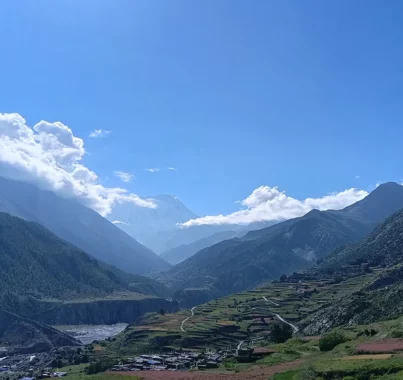
During the monsoon season, the Annapurna Conservation Area’s lowest areas transform into emerald jungles. The famous rhododendron forests are soaked and glistening, moss covers stones like silk, and fog dances hauntingly among the trees. Occasionally, the clouds lift, revealing towering peaks that gleam in the misty sky, such as Annapurna South and Machapuchare (Fishtail).
More significant than broad vistas are solitude, immersion in nature, and the pure power of the monsoon.
The traditional ABC trek route usually looks like this, though it may change depending on the weather and your pace:
Returning by Jhinu Danda (hot springs) > Nayapul → Pokhara → Ghandruk → Chhomrong → Himalaya → ABC (4,130m)
Start early every day during the monsoon because the afternoons tend to see more rain.
Everything is waterproof: Pack dry bags for devices, a poncho or Gore-Tex jacket, and a rainproof backpack cover.
Footwear Matters: Trekking boots that are both waterproof and have a high degree of traction are crucial.
Keep Up: Trekking organizations, teahouse proprietors, and local guides frequently have knowledge about landslide-prone locations and current trail conditions.
Be Adaptable: Weather-related delays are normal, so factor in extra days.
Hiring a guide is highly advised during the monsoon season for safety, direction, and local knowledge.
The majority of the teahouses along the ABC path stay open throughout the monsoon, while some may close or see a decline in patronage. Warm meals, comfortable accommodations, and a drying area for damp equipment are all available. The Nepali mainstay, daal bhat, transforms from a meal into a comforting ritual.
It is not about aiming for the picture-perfect shot when trekking to Annapurna Base Camp during the rain. It is about developing a closer, more reflective relationship with the mountains. It is the sound of the rain, the silence on the path, and the surprise of a daybreak as the clouds briefly part.
Fewer people will cross your path, but those that do will be like-minded individuals who share your desire for something genuine and unadulterated.
Annapurna Base Camp in the monsoon season is beckoning if you are up for a challenge that will reward you with isolation, colorful scenery, and the kind of beauty that does not require sunlight.