




Trip booking for 2025 and 2026 is open, you can book any trip from our website.

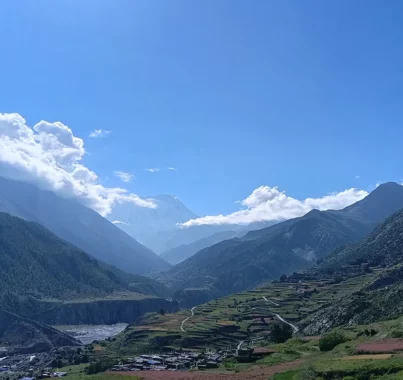
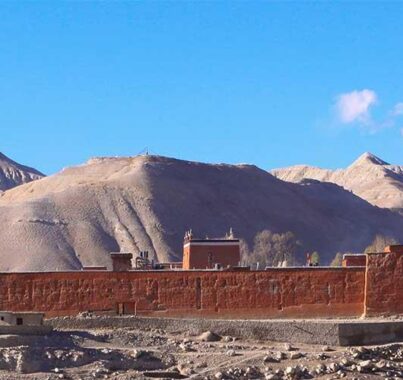

The Upper Mustang area of Lo-Manthang is the site of the three-day Tiji Festival. This celebration is still unique to Upper Mustang residents. Immersed in Tibetan Buddhism, this unique celebration is both a visual and spiritual feast. “Tiji” is an abbreviated form of “Tempa Chirim,” which translates to “Prayer for World Peace,” and is held yearly in the walled city of Lo-Manthang.
About 300 years ago, this festival was established to commemorate the triumph of good over evil. The birth of Dorje Jono and his triumph against the Demon Man Tam Ru are portrayed in this event. Under the guidance of revered Guru Padmasambhava, Dorje Jono emerged triumphant, ensuring the Kingdom’s peace and prosperity. According to the Tibetan Lunar Calendar, this celebration often occurs in April or May. The monks reenact the story with rhythmic chants, depicting the conflict between Good and Evil, while wearing colorful clothing and adorned with intricate masks.
The monks of Chhode Monastery carry out a unique rite known as Vajrakila each year. The Tantric Master Padmasambhava, also known as Guru Rimpoche, brought the discipline of vajrakila to Nepal in the eighth century. The people of Lo-Manthang began the celebration in remembrance of Padmasambhava and Dorje Jono.
Tenpa Chihi Rimdo, which symbolizes the teachings of Buddha, was the original name of the Tiji Festival in Lo-Manthang. It eventually became known as Tenchi Rimdo before becoming corrupted and changing its name to Tiji. This celebration often takes place in February, which is the first Lunar month. On the other hand, it is currently in May, the third month of the Lunar Calendar.
According to historical records, King Samdrub Rabten of Mustang is credited with founding the celebration in 1650 AD. Sakya Trizin Ngawang Kunga Sonam, a well-known high-ranking Tibetan Buddhist leader, was invited to join in the festivities. Remarkably, the celebration was originally held for a different reason. It was referred to as “Phur Dog” back then, and it means the “Removal of negativity” with a ceremonial dagger known as “Phurba.”
Every year, Lo-Manthang, the capital of the Mustang area, hosts the colorful three-day Tiji Festival. Tiji is primarily honored for the triumph of good over evil at the heart of this event. According to the narrative, an evil demon named Man Tam Ru Ta is vanquished by Dorje Jono, a furious deity of protection. The Mustang kingdom’s stability and prosperity were guaranteed by the triumph.
The fact that this event also guarantees world peace is another reason it is observed. “Tiji” is an abbreviation of “Tenpa Chirim,” which translates to “Prayer for World Peace.” The people of Mustang offer prayers for the welfare of all living things on the planet through intricate rites and prayers.
The Mustang people’s distinctive culture is guaranteed by the Tiji Festival. Upper Mustang has preserved its distinct traditions and customs despite being isolated for generations due to its high elevation. The Tiji Festival provides a venue for introducing the world to this rich custom. The vibrant clothes, captivating music, and unwavering beliefs on exhibit all help the residents of Mustang feel accepted and like themselves.
As a result, the Tiji festival consists of a variety of festivities that extend beyond simple amusement. Faith, culture, pride, faith, and a genuine wish for world peace are all interwoven into one colorful tapestry.
The colorful festival of Tiji, a three-day event full of mythology, customs, and striking masked dances, is rooted in Upper Mustang and nestled within the Himalayan environment. This distinctive festival, which is held in mid-May, is a cornerstone of the local culture and offers more than just amusement.
The dramatic portrayal of an ancient deity is the centerpiece of the Tiji Festival. The story of Dorje Jono is told by the monks of Chhode Monastery through a number of dances and performances. The monks enact the legendary battle between Dorje Jono and his Demon King father by donning colorful masks and costumes.
On the first day, the celebration begins at midday. The “Tsa Chham” dance, which represents the many incarnations of Lord Buddha, is performed by monks from the Chhode Monastery while dressed in vibrant clothes. The act of chasing the demons away is demonstrated in this performance.
The atmosphere is more subdued on this particular day. To serve the monks, the residents in the area make a variety of treats. Additionally, you will have the opportunity to see the monks perform the “Nga Chham” dance.
The festival’s theme culminates on the last day of the celebrations. The monks adorn themselves with unique masks and horns that symbolize both gentle deities and terrifying demons. This striking display, also referred to as “Dhungchen,” honors the triumph of righteousness over evil.
The lively energy permeates the entire town, even if the primary ceremonies are held inside the Chhode Monastery. Both locals and tourists gather to take in the show and become fully immersed in Upper Mustang’s rich culture.
The ethereal area of Upper Mustang is tucked away in the majestic high Himalayas, surrounded by historic monasteries and breathtaking scenery. The Tiji Festival is one of the most fascinating celebrations, and there is a longstanding tradition of commemorating Tibetan Buddhism here. This colorful show takes place in 2025 over three days that will be remembered: May 24, May 25, and May 26.
Therefore, the Upper Mustang Tiji Festival Trek is the only place to go if you are looking for a unique cultural experience amidst the stunning scenery enmeshed in myth and history. It provides a glimpse of the Upper Mustang, with colorful festivities that will live indelibly in your memory.