




Trip booking for 2025 and 2026 is open, you can book any trip from our website.

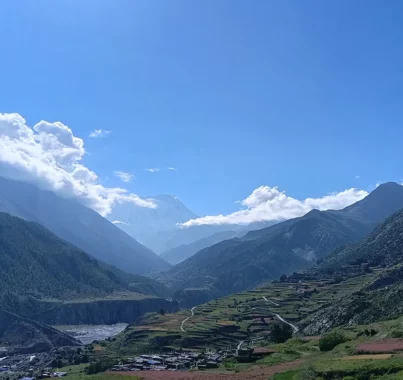
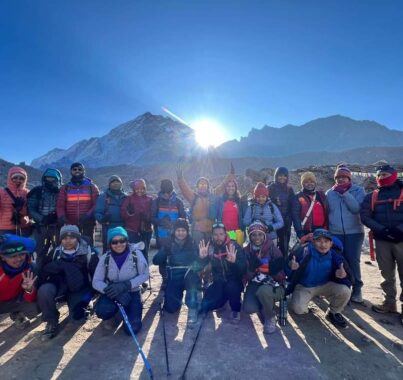
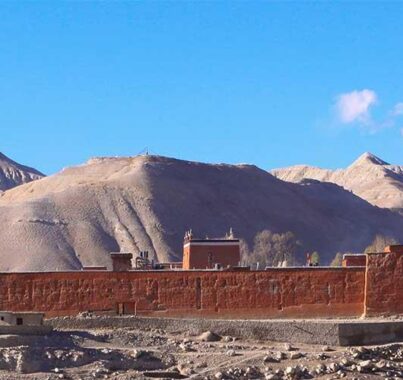

Trekking in Nepal may involve traveling along the Ghorepani region for a shorter walk, climbing among the Sherpa people at Everest Base Camp, exploring the restricted Nar and Phu valley in the Mustang region, or meandering along the Annapurna region’s paths. In any event, have you ever considered the contributions you have made to the area and local community? You need to understand the responsibility that comes with being a trekker. What is responsible trekking, therefore, and how might one go about it? Let us investigate.
Basically, responsible trekking, which is a subset of responsible tourism, is the conduct that hikers such as yourself display while on their trekking adventure. In other words, responsible trekking promotes respect for the local way of life, increases local incomes, and protects the ecosystem along the route. By adhering to the concept of responsible trekking, you make an effort to guarantee that the money you spend goes to locals, that the environment is kept relatively intact, and that you honor the customs, culture, and feelings associated with the area.
Responsible trekking starts before you set out on your journey and lasts all the way to the end. Here are a few realistic ways you can genuinely support ethical hiking.
This is the fundamental guideline of hiking that you must keep in mind. When trekking in Nepal, you primarily travel through serene, environmentally preserved places. Therefore, while trekking, keep in mind to clean up any mess you make, pack up everything you brought, dispose of your garbage in the trash cans, and so on. Particular attention should be paid to the excrement and smaller objects such as toilet paper, wrappers, cigarette butts, and so forth. Have fun on the trail and take care of the trash on your own.
Keep in mind that the communities along the trail mostly depend on tourism as a source of revenue as you hike in Nepal’s trekking regions. Make sure the teahouses and lodges are operated by locals, the porters and guides you hire are members of the community in the trekking area, and the items you purchase on the trekking routes are locally made. In many ways, you assist the locals in earning their share and getting fairly compensated for the services they render to you. Spend responsibly.
Trekking on Nepalese trekking paths frequently involves visiting locations with religious and cultural importance. Before entering the premises, visitors must remove their shoes at all temples and the majority of gompas. While there, you must adhere to specific dos and don’ts. Consult your guide about these regulations. Additionally, you must dress in accordance with local customs. Steer clear of skimpy and exposing attire. Be respectful of the natives.
Try sampling the cuisine at nearby restaurants while keeping in mind any health concerns you may have. Request meals and dishes prepared using ingredients that are readily available in the area. You will simultaneously profit from eating fresh, authentic, and healthful food while also helping the neighborhood. This brings you closer to the native way of life and allows you to experience authentic Nepalese cuisine and beverages.
To save the memories, you take a lot of photos, do not you? Next, get a few mementos as well. Invest in locally produced souvenirs, the majority of which are distinctive and showcase the customs, culture, and abilities of the area. Verify that no endangered species is killed or the environment is harmed in the production of the goods. You are giving the locals their well-earned money by doing this.
Packing-wise is the packing light. When trekking, only bring what is absolutely required. Keep in mind that you will not need many items because you will be experiencing the outdoors and isolated terrain. Additionally, you have greater mobility and less waste when you bring fewer items with you around. Purchase items from the local market if required.
Inform others. Talk positively about the hiking trails you have recently traversed. Talk to everyone you meet about the route’s benefits, the local way of life and culture, how you can support the community, and how you can spread the word about the path to as many people as you can. You are promoting sustainable tourism and increasing the trekking destination’s visibility in this way.
Thus, when you are trekking