




Trip booking for 2025 and 2026 is open, you can book any trip from our website.

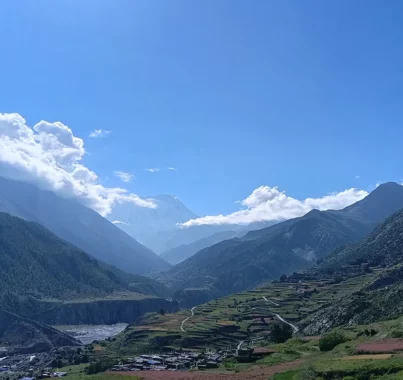
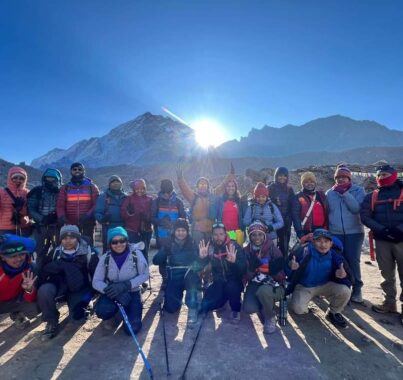

Many travelers dream of trekking to Everest Base Camp (EBC). It is a once-in-a-lifetime experience to stand at the base of the tallest peak in the world, encircled by the breathtaking Himalayas. Altitude sickness is a serious health concern that you should be aware of and ready for before you put on your boots and begin climbing into the sky.
This illness, also referred to as Acute Mountain Sickness (AMS), can strike anyone, regardless of age, level of fitness, or prior trekking experience. The good news? The majority of altitude sickness can be avoided with the correct care. Here’s how to hike to EBC in safety and have fun at every turn.
When your body does not acquire enough oxygen at higher heights, altitude sickness happens. Your body requires time to acclimate to the thinner air as you ascend. Since EBC is located at 5,364 meters (17,598 feet) and symptoms usually start above 2,500 meters (8,200 feet), awareness is crucial.
In severe cases, altitude sickness can develop into High Altitude Pulmonary Edema (HAPE) or High Altitude Cerebral Edema (HACE) — both of which are life-threatening and require immediate descent and medical attention.
The golden rule: “Climb high, sleep low.” Plan your itinerary to allow gradual altitude gain and include at least two acclimatization days — typically in Namche Bazaar (3,440m) and Dingboche (4,410m).
Acclimatization days aren’t rest days. Use them to take short hikes to higher elevations and return to sleep at a lower altitude.
Drink 3–4 liters of water daily. Dehydration can mimic or worsen symptoms of altitude sickness. Avoid alcohol and excessive caffeine, both of which dehydrate the body.
Avoid rapid ascents. Most trekking itineraries increase altitude by no more than 300–500 meters (1,000–1,600 feet) per day once above 3,000 meters. Skipping acclimatization days or trying to “rush” the trek is a major cause of AMS.
Some trekkers take Diamox (acetazolamide) as a preventive measure. This medication helps your body acclimatize faster. Always consult your doctor before starting any medication and carry it with you just in case.
Self-awareness is key. If you start feeling unwell, don’t ignore it. Communicate with your guide or group and don’t hesitate to stop or descend. Mild symptoms can often be managed with rest, fluids, and time — but pushing forward can be dangerous.
Your appetite may decrease at high altitudes, but eating enough calories is crucial. Stick to carbohydrate-rich foods like rice, pasta, bread, and potatoes — these are easier to digest and provide good energy.
Avoid overnight stays at very high altitudes unless absolutely necessary. For instance, while the EBC trek reaches over 5,000 meters, you’ll descend to Gorak Shep (5,164m) or lower for sleeping.
Experienced guides can recognize early signs of AMS and know when to stop, rest, or descend. Trekking with a company also ensures access to oxygen, first-aid kits, and emergency plans.
Bonus Tips:
The Everest Base Camp trek is a life-changing journey, and altitude sickness doesn’t have to be part of the story. With the right planning, mindset, and respect for the mountains, you can minimize your risk and make the most of every breathtaking moment.
Remember: Listen to your body, take your time, and don’t treat altitude sickness lightly. The summit isn’t worth your health — and the Himalayas will always be there.