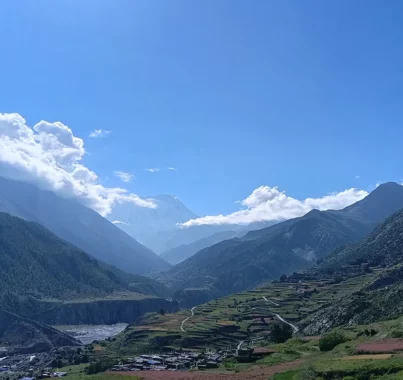
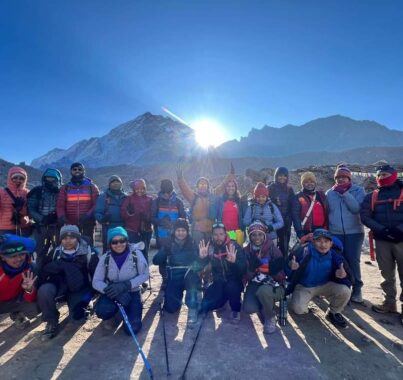
Nepal is a trekker’s paradise, offering breathtaking landscapes, diverse cultures, and some of the world’s most iconic trails. However, the experience of trekking in Nepal varies greatly depending on the season. Choosing the right time and place to trek is crucial for ensuring the best views, weather conditions, and overall adventure. Let’s explore the different trekking seasons in Nepal and where to go for the most unforgettable experience.
Spring (March to May): The Season of Blossoms and Clear Views
Spring is one of the most popular trekking seasons in Nepal. As winter fades, the trails come to life with blooming rhododendrons, lush greenery, and mild temperatures.
Best Treks in Spring:
- Everest Base Camp Trek: Crystal-clear skies and warmer temperatures make this a perfect time to witness Everest in its full glory.
- Annapurna Circuit Trek: Enjoy stunning views of Annapurna, Dhaulagiri, and Machapuchare with comfortable weather conditions.
- Ghorepani Poon Hill Trek: Famous for its rhododendron forests and breathtaking sunrise views over the Himalayas.
- Langtang Valley Trek: Spring brings vibrant landscapes, making it one of the most picturesque times to visit.
Why Trek in Spring?
- Mild temperatures (ranging from 10°C to 20°C at lower elevations).
- Clear skies with minimal chances of heavy snowfall or rainfall.
- Vibrant flora, including the iconic rhododendrons in full bloom.
Summer/Monsoon (June to August): The Off-Beat Green Escape
Summer in Nepal coincides with the monsoon season, bringing heavy rains, muddy trails, and leeches in most trekking regions. However, for those seeking solitude and greenery, certain rain-shadow areas remain great trekking destinations.
Best Treks in Monsoon:
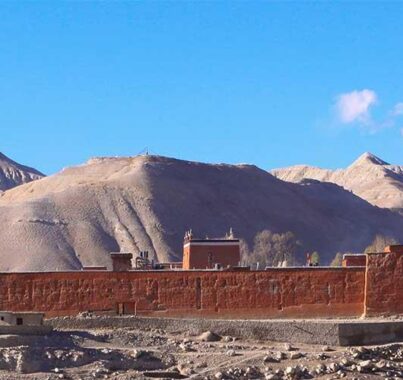
- Upper Mustang Trek: Lies in a rain-shadow area, meaning it receives little rainfall and remains ideal for trekking.
- Dolpo Region Trek: Another dry region in western Nepal, offering remote and untouched landscapes.
- Everest Base Camp (with caution): While rainfall is heavy, experienced trekkers can still embark on this journey with proper preparation.
Why Trek in Summer?
- Lush green landscapes and waterfalls make for a unique trekking experience.
- Fewer crowds on most trails, offering solitude and peace.
- Ideal for those seeking adventure in off-the-beaten-path regions.
Autumn (September to November): The Golden Season for Trekking
Autumn is considered the best trekking season in Nepal. After the monsoon rains, the skies clear up, offering the best mountain views. The weather is stable, making it the most popular time for trekkers from around the world.
Best Treks in Autumn:
- Everest Base Camp Trek: Peak season for this legendary trek, with crystal-clear skies and perfect temperatures.
- Manaslu Circuit Trek: A remote and less crowded alternative to the Annapurna Circuit.
- Annapurna Base Camp Trek: Stunning landscapes, ideal weather, and vibrant autumn colors.
- Mardi Himal Trek: A short but spectacular trek offering mesmerizing mountain views.
Why Trek in Autumn?
- Best visibility with clear skies and breathtaking mountain views.
- Stable weather conditions, making high-altitude treks safer.
- Festive atmosphere in Nepal, with major festivals like Dashain and Tihar occurring during this season.
Winter (December to February): The Quiet, Snowy Wonderland
Winter in Nepal brings cold temperatures and snow-covered trails, especially at higher altitudes. While some treks become challenging due to harsh conditions, winter is a great time for those looking for solitude and magical snowy landscapes.
Best Treks in Winter:
- Everest Panorama Trek: A lower-altitude trek offering Everest views without extreme cold.
- Ghorepani Poon Hill Trek: A short, rewarding trek that remains accessible even in winter.
- Langtang Valley Trek: Offers incredible snowy scenery with moderate trekking difficulty.
- Khopra Ridge Trek: A less-traveled route with stunning winter landscapes.
Why Trek in Winter?
- Fewer trekkers, making for a peaceful experience.
- Stunning snow-covered landscapes and frozen waterfalls.
- Ideal for lower-altitude treks without high mountain pass crossings.
Final Thoughts: Choose the Best Season for Your Adventure
Each season in Nepal offers a unique trekking experience. Whether you prefer the blooming trails of spring, the solitude of monsoon treks, the golden clarity of autumn, or the quiet beauty of winter, Nepal has something for everyone.
Best Overall Season: Autumn (September to November) for ideal weather and clear skies.
Best for Solitude: Monsoon (June to August) for off-the-beaten-path treks.
Best for Scenic Beauty: Spring (March to May) with vibrant rhododendron blooms.
Best for a Snowy Experience: Winter (December to February) for peaceful trails and snow-covered mountains.
No matter when you trek, Nepal’s Himalayas will leave you in awe. Choose your season wisely and embark on an adventure of a lifetime!
Ready to Trek?
Plan your perfect trek based on the season and experience Nepal’s beauty at its finest. Happy trekking!