




Trip booking for 2025 and 2026 is open, you can book any trip from our website.

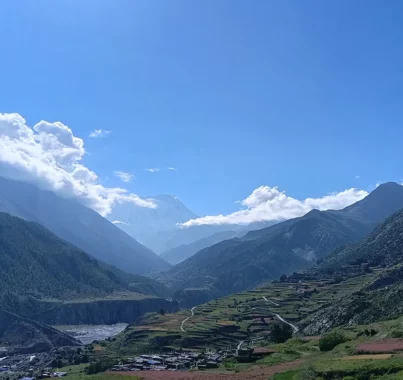
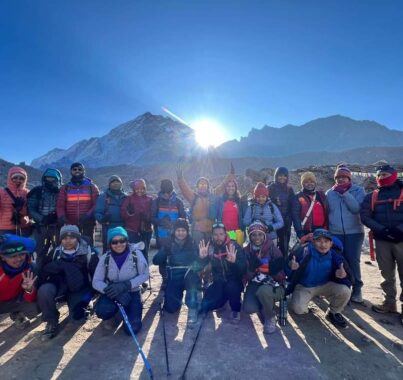
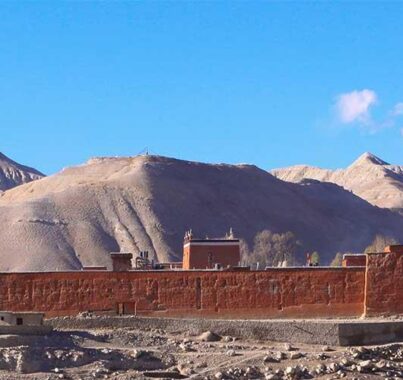

The Kanchenjunga Base Camp Trek is a stunning hike through the remote Himalayan landscape in the extreme east of the country. This exciting journey offers a rewarding trekking experience in an unspoiled Himalayan setting at the foot of Mount Kanchenjunga, the third-highest mountain in the world (8,586m/28,169ft). Knowing when to go on the Kanchenjunga Trek is essential for a safe and enjoyable experience due to the high altitude terrain and erratic weather. Although each season has its own special challenges and breathtaking scenery, the Kanchenjunga Circuit Trek is believed to be most enjoyable in the spring (March to May) and fall (September to November). Clear skies, calm weather, and breathtaking mountain views define these perfect trekking seasons.
Trekkers can trek throughout the monsoon season (June to August) and the winter season (December to February) if they like adventure in solitude. Knowing how temperatures, weather patterns, trail conditions, and visibility change with the seasons will help you choose the best time for this distant adventure. This is a comprehensive analysis of what to expect throughout each season and how it may impact your journey across the Himalayas.
The Kanchenjunga Trek is one of the most fascinating adventures in the far-eastern Himalayas. However, the level of difficulty and overall enjoyment of this trek will depend on the season you select to finish it. The Himalayan region has four distinct seasons throughout the year.
Spring (March to May): In Nepal, this is one of the busiest seasons for trekking. Temperatures are moderate, the weather is steady, and the rhododendrons in bloom produce breathtaking scenery.
Monsoon/ Summer (June to August): The country’s warmest season, the monsoon, brings with it a lot of rain. Natural calamities like floods and landslides are frequent during this time, and the trails are muddy.
Autumn (September to November): It is another popular time of year to hike in Nepal, with pleasant temperatures, clear mountain views, and dependable weather.
Winter (December to February): The Kanchenjunga region experiences a hard winter. The terrain is covered in a lot of snow, and the temps are below freezing. At this time, the high passes are no longer accessible.