




Trip booking for 2025 and 2026 is open, you can book any trip from our website.

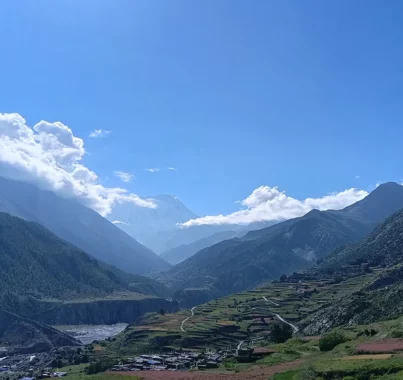
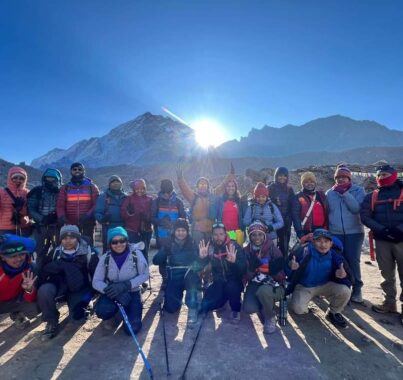

Trekking at high altitudes is both a thrilling and demanding experience. The towering peaks, breathtaking landscapes, and thin air present a unique challenge that requires not just willpower but proper physical and mental preparation. Whether you’re setting out for Everest Base Camp, Annapurna Circuit, or a remote Himalayan expedition, training scientifically for high-altitude trekking can make all the difference between an enjoyable adventure and a struggle against altitude sickness.
As you ascend above 2,500 meters (8,200 feet), oxygen levels decrease, making it harder for your body to function efficiently. Symptoms like headaches, dizziness, nausea, and shortness of breath can set in, known as Acute Mountain Sickness (AMS). To combat this, a well-planned training regimen can help your body adapt to the reduced oxygen levels and improve endurance, strength, and overall fitness.
Trekking at high altitudes requires strong cardiovascular fitness to maintain a steady pace without overexerting yourself. Incorporate these exercises into your training plan:
Trekking involves carrying a backpack for hours, sometimes in rough terrain. Strengthening key muscle groups ensures better endurance and stability:
Your body needs time to adapt to reduced oxygen levels. While living at sea level makes it difficult to prepare for high-altitude conditions, you can simulate acclimatization:
Trekking is as much a mental challenge as a physical one. Training your mind to push through fatigue and discomfort is crucial:
Training for a high-altitude trek requires a mix of cardiovascular fitness, strength, acclimatization techniques, and mental resilience. A well-prepared body and mind will not only help you conquer challenging trails but also let you enjoy the majestic beauty of the mountains without unnecessary suffering.
Ready to take on the heights? Start training today and make your trek the adventure of a lifetime!