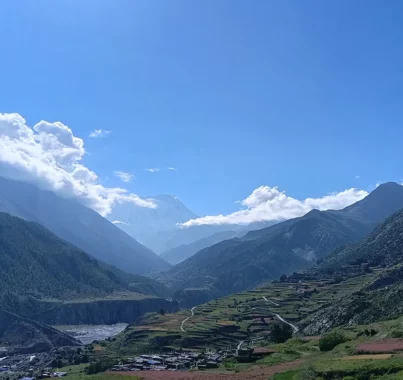
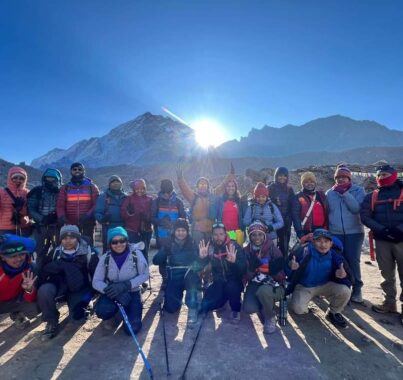
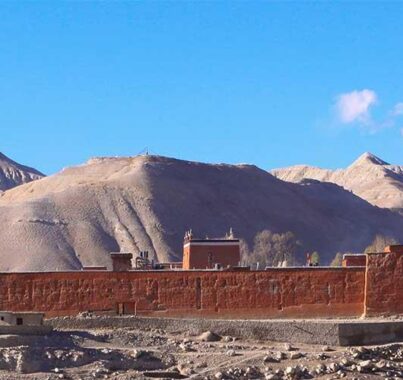
Trekking in Nepal is more than just an adventure; it’s an opportunity to give back. Every step you take through the breathtaking Himalayas directly impacts the lives of local communities. From supporting small tea houses to empowering local guides and porters, responsible trekking ensures that tourism benefits those who call these mountains home.
The Impact of Trekking on Local Communities
Trekking tourism is a major source of income for thousands of Nepalese people, particularly in rural areas. Here’s how your journey contributes to local livelihoods:
1. Employment for Local Guides and Porters
- Hiring local guides and porters provides them with a steady income to support their families.
- It preserves indigenous knowledge and helps visitors connect with Nepal’s rich cultural and natural heritage.
- Porters, who carry heavy loads, often come from remote villages where job opportunities are scarce. Your support ensures fair wages and better working conditions for them.
2. Sustaining Tea Houses and Local Businesses
- Staying in locally owned tea houses rather than large commercial lodges helps small businesses thrive.
- The money you spend on accommodation, food, and souvenirs directly supports families and strengthens the local economy.
- Buying handmade crafts from villagers encourages traditional craftsmanship and helps preserve Nepal’s unique cultural identity.
3. Funding for Education and Healthcare
- Many trekking regions, especially in remote areas, lack access to proper education and medical facilities.
- Some trekking companies and NGOs allocate a portion of trek fees toward funding local schools, scholarships, and healthcare initiatives.
- By choosing ethical trekking agencies that give back, you contribute to the well-being of these communities.
- Responsible trekking promotes environmental awareness, ensuring that natural resources are preserved for future generations.
- Supporting eco-friendly lodges and initiatives like waste management projects helps protect Nepal’s fragile mountain ecosystems.
- Trekking routes in areas like the Annapurna and Everest regions are adopting sustainable practices, including banning plastic bottles and encouraging the use of refill stations.
Choosing Ethical Trekking Practices
If you want your trek to have a meaningful impact, here are some ways to be a responsible traveler:
- Hire Local Guides & Porters: Ensure they are paid fair wages and treated with respect.
- Stay in Locally Owned Tea Houses: Support businesses run by local families rather than large corporations.
- Minimize Plastic Waste: Carry a reusable water bottle and avoid single-use plastics.
- Respect Local Culture: Learn a few basic phrases in Nepali, dress modestly, and be mindful of traditions.
- Choose Sustainable Trekking Agencies: Look for companies that give back to the communities and environment.
Conclusion: Trek with a Purpose
Trekking in Nepal is more than just a personal achievement—it’s an opportunity to make a real difference. When you choose responsible tourism, you uplift local communities, protect the environment, and ensure that future generations can continue to experience the magic of the Himalayas.
So, the next time you set off on a trek, remember: every step you take leaves an impact. Make it a positive one.
Ready to Trek Responsibly?
Embark on a meaningful adventure that supports Nepal’s communities while experiencing the raw beauty of the Himalayas. Your journey matters—choose to make a difference.