




Trip booking for 2025 and 2026 is open, you can book any trip from our website.

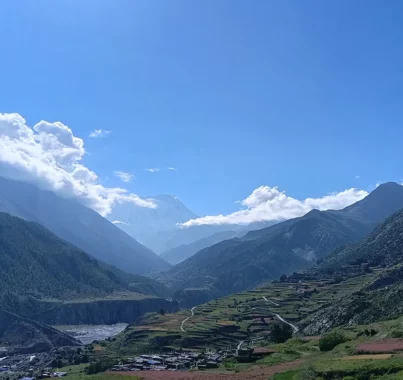
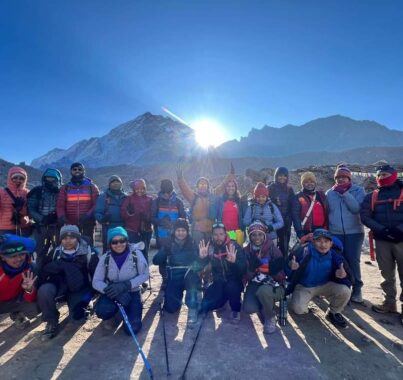

Packing the right gear is crucial for a successful, safe, and comfortable trekking experience in Nepal, especially when trekking at high altitudes where weather conditions can be unpredictable. Below is a complete checklist of required gear and equipment. This list is divided into categories for easier preparation. All items are recommended based on years of field experience, ensuring you are fully prepared for the adventure.
Clothing
• 2–3 moisture-wicking thermal tops (synthetic or merino wool)
• 2–3 thermal bottoms (lightweight or midweight)
• Sports bras (for female trekkers)
1: fleece or soft-shell jacket
1: down jacket (preferably lightweight and compressible, rated for -10°C or lower)
1: synthetic insulated jacket (optional, for layering)
Outer Layer (for wind and water protection)
1: waterproof and windproof jacket with hood (Gore-Tex or equivalent)
1: waterproof trekking pants or rain pants
1: pair of gaiters (for snow or muddy trails)
2–3 pairs of trekking pants (quick-drying)
1 pair of insulated pants (for higher altitude evenings)
3–5 moisture-wicking trekking shirts (long-sleeve and short-sleeve mix)
1 set of comfortable clothes for evenings and sleeping
Undergarments
4–6 pairs of moisture-wicking underwear
2–3 pairs of thermal underwear for colder nights
• 1 pair of high-quality waterproof trekking boots (well broken-in)
• 1 pair of lightweight camp shoes or sandals (for resting/evening use)
• 3–5 pairs of wool or synthetic trekking socks
• 2 pairs of liner socks (to prevent blisters)
• 1 pair of thick thermal socks (for sleeping or high camps)Handwear
• 1 pair of inner liner gloves (lightweight, synthetic or wool)
• 1 pair of windproof/waterproof insulated gloves or mittens
• 1 warm beanie or wool hat
• 1 sun hat or wide-brim hat
• 1 buff/neck gaiter or balaclava (for wind, dust, or cold)
• 1 headband or ear warmer (optional but useful)
• UV-protection sunglasses (category 3 or 4, essential at altitude)
• Main backpack or duffel bag (50–70 liters, carried by porter)
• Daypack (25–35 liters, carried by you, for daily essentials)
• Rain cover for your backpack
• Dry bags/stuff sacks to organize gear and protect from water
• Small lock (for securing your bag at lodges or while traveling)
• Four-season sleeping bag (rated -10°C to -20°C; down preferred)
• Sleeping bag liner (for extra warmth and hygiene)
• Pillowcase or inflatable pillow (optional but helpful)
• Trekking poles (collapsible, adjustable height)
• Headlamp or flashlight (with extra batteries)
• Water bottles (2 liters total capacity; or hydration bladder)
• Water purification tablets/drops or filter (very important)
• Multi-tool or knife
• Map or guidebook (optional; your guide will have this too)
Your guide will carry a group first aid kit, but you should carry your own essentials.
Basic First Aid Kit
• Blister kit (moleskin, Compeed, etc.)
• Band-aids, gauze, medical tape
• Antiseptic wipes/cream
• Pain relievers (ibuprofen, paracetamol)
• Antidiarrheal medication (e.g. loperamide)
• Altitude medication (e.g. Diamox – consult your doctor)
• Personal prescriptions (bring enough for the whole trip)
• Biodegradable soap and shampoo
• Toothbrush and toothpaste
• Quick-dry towel or microfiber towel
• Sunscreen (SPF 50+)
• Lip balm with SPF
• Deodorant
• Hand sanitizer
• Wet wipes/baby wipes (very useful)
• Toilet paper and small ziplock (for carrying used paper out)
• Feminine hygiene products (as needed)
• Face mask or buff (for dust or crowded areas)
• Personal sanitizer or alcohol wipes
• Altitude sickness medication (prescribed by a doctor)
• Rehydration salts or electrolyte packets
• Insect repellent (for lower elevations)
• Valid passport (with visa and photocopies)
• 4 passport-sized photos (for permits)
• Travel insurance certificate (must cover high-altitude trekking and helicopter evacuation)
• Flight tickets and itinerary printouts
• Cash in Nepali Rupees (ATMs are not available in remote areas)
• Credit/debit card (for use in Kathmandu or Pokhara)
• Camera or action camera (with charger/spare batteries)
• Power bank or solar charger (lodges may charge for electricity)
• Journal or notepad and pen
• Snacks (energy bars, trail mix, chocolate)
• Book or e-reader for downtime
• Lightweight entertainment (cards, music player)
• Extra batteries for headlamp/camera
If you’re traveling light, don’t worry! Most of the essential gear like sleeping bags, down jackets, trekking poles, and backpacks can be rented or bought at affordable rates in Kathmandu. Our team at Everest Summit Treks and Expedition is happy to assist you with shopping or rentals before your trek begins.
• Test and break in your gear, especially boots, before arriving.
• Pack light but smart, porters have weight limits (usually 10–15 kg per client).
• Layering is key, temperatures can range from hot sun to freezing nights in a single day.