




Trip booking for 2025 and 2026 is open, you can book any trip from our website.

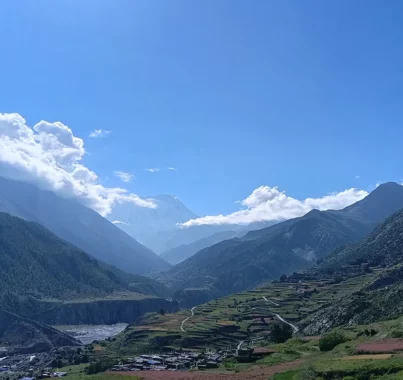
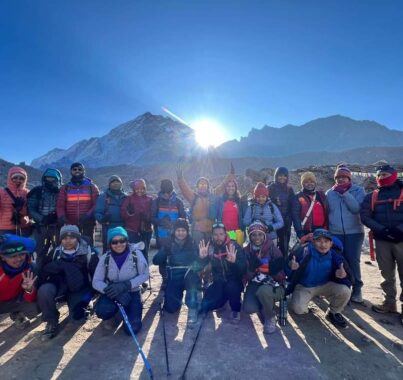
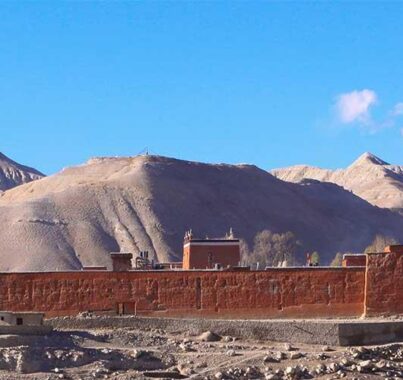

Nepal’s Himalayas are a paradise for adventure seekers, nature lovers, and cultural enthusiasts. Home to eight of the world’s fourteen highest peaks, including Mount Everest, the region offers breathtaking landscapes, from snow-capped mountains to lush valleys. Trekking in Nepal is affordable compared to other mountain destinations, with diverse adventure opportunities such as mountaineering, paragliding, rafting, and jungle safaris. Rich in culture and tradition, Nepal boasts ancient temples, monasteries, and diverse ethnic communities. The warm hospitality of the Nepalese people further enhances the travel experience.
Hiking refers to a short walk or day trip in natural settings, typically easy to moderate in difficulty. A leisure vacation is focused on relaxation and exploration, often spent at luxury resorts or cultural sites. Trekking is a long-distance walk, usually in mountainous or remote areas, requiring endurance and physical fitness. An expedition, on the other hand, is a challenging and extended adventure, often involving climbing high peaks and enduring extreme weather conditions.
Nepal offers both well-trodden and lesser-known trekking routes. Popular treks include the Everest Base Camp Trek, Annapurna Circuit Trek, Langtang Valley Trek, Manaslu Circuit Trek, and Ghorepani Poon Hill Trek. For those seeking untouched trails, the Kanchenjunga Base Camp Trek, Dhaulagiri Circuit Trek, Tsum Valley Trek, Rara Lake Trek, and Dolpo Region Trek offer remote and pristine landscapes with fewer trekkers.
Altitude sickness, also known as Acute Mountain Sickness (AMS), occurs due to oxygen deprivation at high elevations. Symptoms include headache, nausea, dizziness, shortness of breath, loss of appetite, and insomnia. Preventive measures include gradual ascent with proper acclimatization, staying hydrated, avoiding alcohol and smoking, consuming a high-carbohydrate diet, and using medications like Diamox (after consulting a doctor). If symptoms worsen, immediate descent is necessary.
Nepal is home to diverse ethnic groups such as Sherpas, Gurungs, Tamangs, Newars, and Tharus. The culture is rich in Hindu and Buddhist traditions, with vibrant festivals like Dashain, Tihar, Holi, and Buddha Jayanti. Nepalese cuisine features staple foods like Dal Bhat (lentil soup, rice, and vegetables), Momo (dumplings filled with vegetables or meat), and Newari dishes like Chatamari and Yomari, which offer a unique taste of Nepal’s rich culinary heritage.
A tea house trek involves staying in lodges or guesthouses along the trail, providing food, accommodation, and basic amenities such as Wi-Fi in popular trekking areas. A camping trek, on the other hand, requires carrying tents, food, and cooking equipment, making it suitable for remote and less-traveled trekking routes where lodges are unavailable.
Nepal’s diverse terrain includes the Himalayas, hills, and Terai plains. While road networks are well-developed in urban areas, mountainous regions rely on trekking trails as the main means of access. Popular trekking routes are well-maintained, but remote trails may require navigation skills and proper planning.
Guides are trained professionals who lead trekkers, providing insights into the region, culture, and safety measures. Expedition leaders are highly experienced mountaineers responsible for guiding challenging expeditions and ensuring logistics and safety. Porters carry luggage and supplies, playing a crucial role in high-altitude trekking.
Nepal offers warm hospitality, diverse landscapes, and a simple yet fulfilling lifestyle. From lush jungles to towering mountains, visitors can expect an immersive experience in nature. Adventure opportunities such as trekking, rafting, paragliding, and wildlife safaris are abundant, making Nepal a dream destination for thrill-seekers.
Nepal’s currency is the Nepalese Rupee (NPR). While cash is widely used in rural areas, major cities accept credit cards and digital payments. The economy is largely based on agriculture, tourism, and trade, with many people leading a simple yet culturally rich lifestyle.