




Trip booking for 2025 and 2026 is open, you can book any trip from our website.



254 reviews in Tripadvisor


Duration
4 Days
Difficulty
Easy
Group Size
1-15 People
Max Altitude
2,400m. / 7,874ft.
Best Season
Spring & Autumn
Activity
Bhutan Tour
Meals
Breakfast, Lunch & Dinner
Accommodation
3 Star Hotel
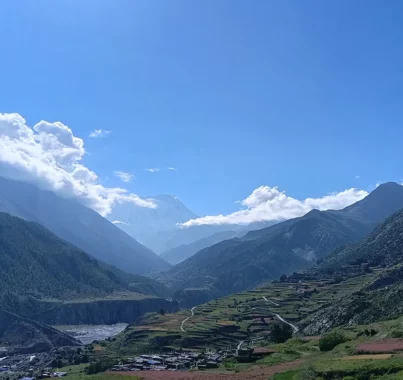
This 4-day tour to Bhutan will include stops in Paro and Thimphu. Bhutan’s capital is Thimphu, and the country’s northwest is Paro. Both locations provide breathtaking vistas of the highest glacier peaks in the world, as well as stunning monasteries, a museum, a painting school, and an insight into Buddhist culture.
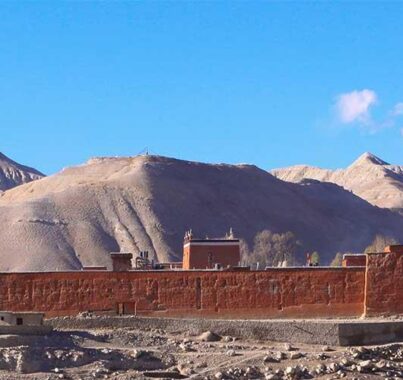
The alluring beauty of environment, myths, culture, and folklore can be found in the Paro valley. The National Museum, Bhutan’s international airport, monasteries, and several of the country’s oldest temples are all located in Paro. The National Museum has a vast collection of Thangkha paintings, textiles, weapons, domestic items, and a wealth of historical and national art crafts. See Rinpung Dzong, which features exquisite wall murals that depict Buddhist customs and way of life. After that, you will go to Kyichu Lhakhang, one of the 108 temples constructed in the Himalayas by the Tibetan king Songtsen Gampo. You will have a full day of sightseeing in Thimphu the next day. The capital exhibits a remarkable ability to blend tradition and modernity. The National Library, Institute for Zorig Chusum, National Memorial Chorten, Handicrafts Emporium, Textile and Folk Heritage Museum, and Trashichhoedzong are among the places to see in Thimphu. Along with contemporary academic works, particularly on Himalayan religion and culture, the National Library houses a sizable collection of ancient Buddhist manuscripts and texts. The Institute for Zorig Chusum, sometimes referred to as the Painting School, is a six-year program that teaches 13 traditional Bhutanese arts and crafts. State-run Handicrafts Emporium. A monument to global peace is the National Memorial Chorten. The Textile and Folk Heritage Museum offers fascinating perspectives on Bhutanese culture and way of life. There are several government offices and a secretariat building at Trashichhoedzong Monastery.
Enjoy this little journey of Bhutan’s splendor while also rejuvenating yourself with the assortment of lovely moments.

Clear immigration and customs when you arrive at Paro. A copy of the visa clearance letter should be kept close to hand. Your visa has been paid for, and P.P. size photos are no longer needed.
Transfer to Thimphu after meeting your driver and guide outside the terminal building. Take an evening stroll through the city. Overnight.After arriving in Paro, travel 55 km in two hours to Thimphu (D). Take a plane from Kathmandu, Delhi, Kolkata, Bangkok, or Singapore.
Clear immigration and customs when you arrive at Paro. A copy of the visa clearance letter should be kept close to hand. Your visa has been paid for, and P.P. size photos are no longer needed.
Transfer to Thimphu after meeting your driver and guide outside the terminal building. Take an evening stroll through the city. Overnight.
Clear immigration and customs when you arrive at Paro. A copy of the visa clearance letter should be kept close to hand. Your visa has been paid for, and P.P. size photos are no longer needed.
Transfer to Thimphu after meeting your driver and guide outside the terminal building. Take an evening stroll through the city.


Check out the Takin Sanctuary, Zilukha Nunnery, Memorial Chorten, Indigenous Hospital, Textile Museum, Heritage Museum, Traditional School of Arts & Crafts, and TashichoDzong. You will also see the paper plant, Zangdopelri temple, and other sites when you have time. Spend the night in Thimphu.
Retrace your drive back to Paro after breakfast.See the Farm House, the National Museum, the Local Market, and Tiger’s Nest Monastery (Taktsang) in Paro. Spend the night at Paro.
Our tour guide will drive you to Paro International Airport today so you can take a flight to Kathmandu or your next stop. Tour service concludes.
Note : The international airports of Bangladesh (Dhaka), Thailand (Bangkok), India (Delhi, Bagdogra, Kolkotta, Gaya, Guwahati), Nepal (Kathmandu; KTM), Kuala Lumpur (KUL), and Singapore (SIN) are all connected to Paro International Airport.


4 days The best seasons to take a Nepal Bhutan Tour are spring (March to May) and fall (September to November), when the weather is perfect for touring and learning about the local culture . In Nepal, rhododendrons bloom in the spring, and visitors can enjoy breathtaking Himalayan views under bright skies. The chilly air and pleasant autumnal temperatures make it more delightful to explore historic temples and monasteries. Winter (December to February) is a more peaceful season to visit Bhutan, with stunning views of the mountains and serene surroundings, even though the temperatures are lower. However, the summer monsoon (June to August) brings a lot of rain, particularly in Nepal, which may interfere with travel plans and visibility.
Understanding local customs will improve your trip and demonstrate your appreciation for Nepal’s and Bhutan’s rich spiritual and cultural heritage. Here are some important etiquette guidelines:
Make sure your passport is still valid six months or more after the date you want to depart. It should also have a minimum of two blank pages for visa stamps when entering and leaving Bhutan and Nepal.
All foreign travelers must arrange for a visa through a licensed tour operator in order to enter Bhutan. Individual travelers are unable to apply for the visa on their own. The tour operator will take care of the visa application process with Bhutanese immigration after your trip is scheduled. You will receive a formal letter of visa approval before to departure, which you will need to show when you arrive. When you enter through Paro International Airport or a recognized land border, your visa will subsequently be stamped into your passport.
Please be aware that travel insurance, personal expenses, and additional meals beyond those on the itinerary are not covered by your 4-day Nepal Bhutan tour package. Additionally, do not forget to factor in the cost of the international flight from Kathmandu to Paro. This package includes first-rate lodging with breakfast every day in both Nepal and Bhutan, as well as private four-wheeler transportation, a professional driver, and knowledgeable local guides. In order to guarantee a smooth travel experience, it also covers government taxes, service fees, the Bhutan visa fee, and other essential preparations.
Dal bhat, a lentil soup (dal) with rice (bhat) and vegetable curry (tarkari), frequently accompanied by hot pickles (achar), is a common lunchtime meal in Nepal. Another popular food is momos, which are dumplings stuffed with either meat or veggies. With foods like sel roti (a sweet, ring-shaped rice bread) and chowmein (stir-fried noodles), Nepalese cuisine is influenced by neighboring regions.
The trademark dish of Bhutanese cuisine, ema datshi (chili and cheese), is renowned for its fiery flavors. Common mainstays are red rice, buckwheat, and maize; red rice is only farmed at high elevations. Jasha maru, or spicy minced chicken, and phaksha paa, or pork with radish and chili, are examples of traditional foods. Butter tea and Ara, a regional alcoholic beverage, are popular beverages. A full board meal plan that includes breakfast, lunch, and dinner will be provided to guests during the tour, giving them the opportunity to sample a range of traditional Nepalese and Bhutanese cuisine.
Your four-day tour of Nepal and Bhutan will include stays in cozy five-star hotels with contemporary conveniences like air conditioning, Wi-Fi, and hot showers. You will be housed in hotels in Kathmandu, Nepal, that offer outstanding service and comfort, guaranteeing a restful stay. The hotels have large rooms, comfortable settings, and excellent city views. Accommodations in Bhutan, particularly in Thimphu and Paro, combine modern conveniences with traditional Bhutanese architecture. These hotels provide excellent service and breathtaking views of the surrounding valleys and mountains, making your stay unforgettable. With accommodations that combine comfort and a touch of Bhutanese culture, you will find yourself in a tranquil, cozy setting.
To provide peace of mind during your four-day vacation of Nepal and Bhutan, it is highly advised that you get travel insurance. Unexpected circumstances like trip cancellations, medical crises, luggage loss, and even aircraft delays should all be covered by travel insurance. Specifically, your insurance should cover emergency evacuation in the event of an emergency, medical coverage in the event of illness or accidents, and protection against trip cancellations or delays. Prior to departing, make sure your travel insurance is set up and that it offers adequate coverage for the activities and destinations in both Nepal and Bhutan.
You will have access to ATMs and money exchange services in key towns like Kathmandu and Thimphu during your four-day tour of Nepal and Bhutan. There are several ATMs in Kathmandu, and banks and authorized exchange counters make it simple to exchange foreign currencies. Although there are ATMs in Thimphu, their availability may be less extensive than in larger towns, therefore it is a good idea to have some cash on hand before traveling to more isolated locations. Carrying Bhutanese money (BTN) is still advised for modest transactions or while visiting more remote regions where card payments might not be accepted, even though the majority of establishments in Bhutan accept credit and debit cards.
You will be accompanied by informed and experienced local advisors who will improve your trip during your four-day tour of Nepal and Bhutan. Your guide in Kathmandu will be knowledgeable about Nepal’s rich history, culture, and legacy and provide enlightening commentary on the city’s historical landmarks and monuments. Your guide will provide comprehensive information about Bhutan’s customs, religion, and breathtaking scenery, particularly when you visit well-known locations like Paro Taktsang (Tiger’s Nest Monastery) and the historical sites of Thimphu. With the help of these guides, you may travel across the areas with ease and gain a greater understanding of the local customs and culture. By making your brief trip both educational and pleasurable, they will also help with language barriers and guarantee your safety.
A photocopy of your passport and a minimum 10% down payment of the entire tour price are required in order to reserve the 4-day Nepal Bhutan tour with Welcome Nepal Treks. There are other ways to make payments, such as online, by bank transfer, or with cash. We also take direct cash payments and credit card payments (MasterCard, Visa, and more). Reservations made at the last minute are welcome, however they must be made at least one day prior to the planned departure. Please get in touch with us if you need help or have any queries about the tour; we will be pleased to assist you.
In Nepal and Bhutan, giving your guides and drivers a tip is a customary way to express gratitude for their outstanding assistance during your vacation. Tipping is a considerate way to recognize their efforts in making your vacation hassle-free and enjoyable, but it is not required. At the conclusion of the tour, it is customary in Nepal to tip the driver and guide, with the amount based on your level of satisfaction with their assistance. Tipping is also valued in Bhutan, particularly for individuals that go above and above to make your stay more enjoyable. The amount you choose to donate is completely up to you and represents your level of satisfaction, but it is always appreciated as a token of appreciation for all of their help and hard work during your journey.
