




Trip booking for 2025 and 2026 is open, you can book any trip from our website.



254 reviews in Tripadvisor


Duration
-8 Days
Difficulty
Moderate
Group Size
1-10 People
Max Altitude
4,773m. / 15,659ft.
Best Season
March- May,
Activity
Trekking, view-point hike
Meals
Breakfast, Lunch, Dinner
Accommodation
Teahouse
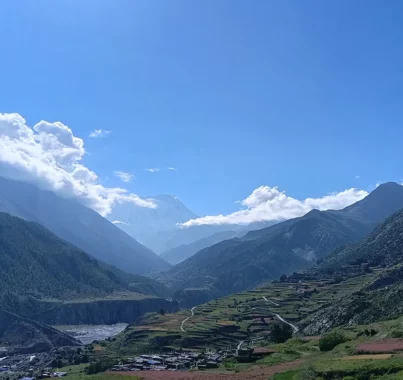
The 8 Days Langtang Valley Trek is a breathtaking journey into the heart of the Himalayas, blending adventure, spirituality, and cultural immersion. This 12-day itinerary begins with an arrival in Kathmandu, where you will explore the city’s rich heritage and prepare for the trek. The journey officially commences from Thulosyafru, leading through lush forests, scenic river valleys, and traditional Tamang villages, allowing trekkers to witness the lifestyle and traditions of the indigenous people. As you ascend higher, the trek offers stunning landscapes, including the dense woodlands of Langtang National Park, home to diverse wildlife such as red pandas and Himalayan black bears. The route continues along glacial moraines leading up to the breathtaking Tsergo Ri, where trekkers can soak in unparalleled views of Langtang Lirung, Ganesh Himal, and beyond. The spiritual highlight of the Langtang Valley trek is Kyanjin Gompa, an ancient monastery surrounded by towering peaks, where visitors can engage in meditation and experience the serenity of the Himalayas. The trek presents both physical and mental challenges, with high-altitude ascents and rugged terrain, but the rewards include awe-inspiring mountain panoramas, encounters with Buddhist culture, and moments of deep personal reflection. The final days retrace the path back to Syafrubesi before returning to Kathmandu for a well-deserved celebration and relaxation. Langtang Valley trek is perfect for adventurers seeking a balance between physical endurance, cultural immersion, and spiritual rejuvenation in the lap of the Himalayas.
The Langtang Valley Trek is one of Nepal’s most rewarding trekking experiences, offering breathtaking Himalayan landscapes, diverse wildlife, and rich Tamang culture. This 8-day trek takes you through dense rhododendron forests, glacial rivers, ancient Buddhist monasteries, and high-altitude alpine meadows, all while providing panoramic views of Langtang Lirung (7,227m), Dorje Lakpa, and Ganesh Himal. Starting with a scenic drive from Kathmandu to Syabrubesi, the journey unfolds with trails leading to Lama Hotel, Langtang Village, and Kyanjin Gompa, the spiritual heart of the region. A highlight of the trek is the challenging hike to Kyanjin Ri (4,773m), offering stunning sunrise views over the Himalayas. As you descend back to Syabrubesi, you’ll witness the changing landscapes from alpine tundra to lush forests, making every step a memorable one. This trek is ideal for those seeking a less crowded, high-altitude adventure with a mix of nature, culture, and adventure. Whether you’re a seasoned trekker or a first-time explorer, the Langtang Valley Trek is a must-do experience in Nepal.
The Langtang Valley Trek is a perfect mix of adventure, culture, and natural beauty. This trek challenges you physically but rewards you with some of the most stunning Himalayan scenery. It is an ideal choice for trekkers seeking a less crowded, high-altitude trek with a rich cultural heritage.

The journey concludes with a 7 to 8-hour drive back to Kathmandu, retracing the route through rolling hills, river valleys, and local villages. As you leave the mountains behind, you’ll have time to reflect on the incredible adventure, the friendships made along the way, and the stunning


The final trekking day takes you back down from Lama Hotel to Syabrubesi, covering approximately 11 kilometers in 5 to 6 hours. The descent follows the Langtang River, with the trail winding through forests, small waterfalls, and terraced fields. As you reach lower elevations, you will once again pass small villages and tea houses, where you can stop to enjoy the last glimpses of the Himalayan landscapes. Upon arrival in Syabrubesi, you can celebrate the completion of the trek with a delicious meal and a well-earned rest at a cozy lodge.
After witnessing the beauty of Kyanjin Gompa and the surrounding peaks, it’s time to begin the descent back to Lama Hotel. Covering around 14 kilometers in 6 to 7 hours, today’s trek is mostly downhill, allowing for easier walking but requiring careful footing on steep sections. As you retrace your steps, you’ll notice how the scenery changes from barren alpine landscapes back to lush green forests. Passing through Mundu, Langtang Village, and Ghora Tabela, you can take your time to enjoy the peaceful riverbanks, grazing yaks, and the hospitality of the Tamang people before reaching Lama Hotel for an overnight stay.
A short but breathtaking trek leads from Mundu to Kyanjin Gompa, a sacred Buddhist monastery and the spiritual center of the Langtang region. The trail today is relatively easy, taking about 3 to 4 hours to cover 6 kilometers. As you approach Kyanjin Gompa, the landscape transitions into high-altitude alpine meadows, glacial rivers, and towering snow-capped peaks. Upon arrival, you will visit the ancient monastery, the local yak cheese factory, and the surrounding Buddhist stupas. Later in the afternoon, an optional hike to Kyanjin Ri (4,773m / 15,659ft) provides one of the most breathtaking panoramic views of the Langtang Himalayas, including Yala Peak, Dorje Lakpa, and Langtang Lirung. Though the climb is challenging, the stunning sunset over the mountains makes it an unforgettable experience.
Leaving Lama Hotel behind, you will begin a steady ascent through pine and rhododendron forests, where the landscape opens up to reveal stunning views of Langtang Lirung (7,227m / 23,711ft). After a few hours, you will reach Ghoda Tabela (3,020m), a former army checkpoint, where you can take a break and admire the scenery. As you continue, the trail passes through the rebuilt Langtang Village, which was devastated by the 2015 earthquake but has since been reconstructed with the resilience of the local Tamang people. The village is surrounded by mantra-inscribed prayer wheels, Buddhist stupas, and colorful prayer flags, symbolizing the deep spiritual presence of Tibetan Buddhism in the region. From here, a gentle walk leads to Mundu, a small settlement surrounded by open meadows and traditional yak pastures. This is the perfect place to relax, interact with locals, and absorb the peaceful Himalayan surroundings.
The trek officially begins as you leave Syabrubesi and cross a suspension bridge over the Langtang River, marking the start of an exciting adventure. Today’s trail covers around 11 kilometers and takes 6 to 7 hours, leading you through dense rhododendron, oak, and bamboo forests. As you ascend, the sound of the rushing river and chirping birds creates a peaceful atmosphere. The route passes small settlements like Domen and Pairo, where you can stop for tea and enjoy the views of rolling hills and cascading waterfalls. This section of the trek is part of Langtang National Park, home to unique wildlife, including red pandas, langurs, and Himalayan black bears. The trail gradually becomes steeper as you approach Lama Hotel, a small, forested village nestled in a serene valley. After a long day of hiking, you will be welcomed with warm hospitality and a cozy guesthouse stay in this tranquil setting.
The journey to the Langtang region officially begins with a long but scenic drive from Kathmandu to Syabrubesi, covering approximately 122 kilometers in about 7 to 8 hours. The road winds through lush green hills, terraced fields, and deep river valleys, offering spectacular views of Nepal’s diverse landscapes. The first part of the journey follows the Prithvi Highway, a well-paved road that runs alongside the Trishuli River, but as you enter the Rasuwa district, the road becomes narrower and bumpier, adding a sense of adventure to the trip. Along the way, you will see traditional villages, local markets, and small roadside tea stalls, where you can stop for refreshments. As you get closer to Syabrubesi, you may catch your first glimpses of the Ganesh Himal and Langtang Lirung peaks in the distance. Upon arrival, Syabrubesi welcomes you with simple guesthouses and a peaceful atmosphere, offering a good night’s rest before starting your trek.
Your journey to the breathtaking Langtang Valley begins as you land at Tribhuvan International Airport in Kathmandu, where you will be greeted and transferred to your hotel in Thamel, the vibrant heart of Nepal’s tourism scene. Thamel is a lively area filled with trekking shops, cozy cafés, and cultural landmarks, making it the perfect place to relax and make final preparations before heading into the mountains. Kathmandu, rich in history and spirituality, offers a chance to explore famous sites such as Swayambhunath (Monkey Temple), Pashupatinath Temple, and Boudhanath Stupa, where you can witness Buddhist monks chanting prayers and local devotees lighting butter lamps. This day is meant for rest, acclimatization, and last-minute gear shopping. Make sure to check your trekking equipment, purchase any necessary supplies, and enjoy a warm Nepali meal before embarking on your adventure the next day.


Useful Information for the Langtang Valley Trek:
What to Expect and What Not to Expect
The Langtang Valley Trek offers a stunning combination of natural beauty, rich culture, and adventure. Trekkers can expect to pass through lush forests, high-altitude meadows, remote villages, and glacial valleys while being surrounded by towering Himalayan peaks. The trek is moderately challenging, with some steep ascents and descents, requiring a reasonable level of fitness and endurance. While the scenery, warm hospitality, and peaceful trails make it an unforgettable journey, trekkers should not expect luxury accommodations or modern facilities. Wi-Fi, electricity, and hot showers may be available in some teahouses but are not guaranteed, and often require an extra fee. Likewise, ATM services are unavailable along the trail, so carrying enough cash is essential.
Best Season for the Trek
The best seasons to embark on the Langtang Valley Trek are spring (March to May) and autumn (September to November). During these months, the weather is generally clear, stable, and pleasant, offering the best views of the snow-capped peaks. Spring brings vibrant rhododendron blooms and lush greenery, while autumn provides crisp mountain air and breathtaking golden landscapes. Winter (December to February) is extremely cold, with heavy snowfall in higher areas, making the trek more challenging. The monsoon season (June to August) is the least favorable time due to heavy rainfall, slippery trails, and the risk of landslides.
Preparation and Physical Fitness
Although the Langtang Valley Trek is considered moderate, it still requires proper preparation and physical fitness. Trekkers should engage in cardiovascular exercises, strength training, and hiking practice at least a month before the trek. Walking with a backpack on hilly terrain helps in building endurance. Proper trekking gear, including hiking boots, layered clothing, gloves, and rain protection, is crucial. Carrying snacks, water purification tablets, and a basic first aid kit will also enhance the trekking experience. Mental preparedness is equally important, as trekking in high-altitude areas can be physically demanding.
Understanding Altitude Sickness
Altitude sickness, also known as Acute Mountain Sickness (AMS), occurs when the body fails to adjust to lower oxygen levels at higher elevations. Symptoms include headache, dizziness, nausea, fatigue, and shortness of breath. In severe cases, it can lead to life-threatening conditions such as High Altitude Pulmonary Edema (HAPE) or High Altitude Cerebral Edema (HACE). To prevent AMS, trekkers should ascend gradually, stay hydrated, get enough rest, and avoid alcohol and smoking. If symptoms persist, descending to a lower altitude is the best remedy. Carrying Diamox (acetazolamide) tablets can also help with acclimatization.
Teahouse Accommodation and Food on the Trek
The Langtang Valley Trek follows the teahouse trekking system, where trekkers stay in small, family-run lodges along the route. These teahouses offer basic but comfortable accommodation, usually consisting of simple wooden beds, blankets, and a communal dining area. Meals mainly consist of Nepali and Tibetan dishes, such as dal bhat (rice and lentil soup), momos (dumplings), noodles, and pancakes. While the food is filling and nutritious, the options may be limited in remote areas. Carrying energy bars, dry fruits, and snacks is a good idea for extra sustenance.
Roles of Guide
Hiring a licensed guide is highly recommended for the Langtang Valley Trek. A guide provides navigation, ensures safety, helps with accommodation, and shares insights into local culture and history. They also assist in case of emergencies, altitude sickness, or route changes. Clients should respect and communicate with their guide, follow their instructions, and listen to their advice regarding acclimatization, pace, and weather conditions. Porters are also available to carry heavy backpacks, allowing trekkers to enjoy the journey with less strain.
Respecting Local Culture and Nature
The Langtang region is home to the Tamang and Tibetan Buddhist communities, who have their own customs, traditions, and religious beliefs. Trekkers should be respectful towards local people, dress modestly, and ask for permission before taking photographs. Temples, stupas, and prayer wheels are common along the trail, and it is important to walk clockwise around religious monuments and avoid stepping on prayer flags. Additionally, the Langtang Valley lies within Langtang National Park, a protected area with diverse wildlife. Trekkers should avoid littering, use eco-friendly products, and stay on designated trails to protect the fragile environment.
Travel Insurance and Emergency Preparedness
Comprehensive travel insurance is a must for this trek, covering high-altitude trekking, medical emergencies, evacuation, and trip cancellations. Helicopter rescue services are available in Nepal, but they can be extremely expensive without proper insurance. Trekkers should carry a copy of their insurance policy, emergency contacts, and a list of important phone numbers in case of emergencies. It is also recommended to inform family or friends about the trekking plan before heading into remote areas.
Packing Essentials for the Trek
Packing smart is essential for a comfortable and safe trekking experience. Key items to bring include sturdy trekking boots, warm layered clothing, a waterproof jacket, gloves, a sleeping bag, sunglasses, sunscreen, a hat, and a good-quality backpack. Other useful items include a headlamp, trekking poles, a water bottle with purification tablets, and basic toiletries. While heavy luggage should be avoided, carrying essential medical supplies and personal snacks can be helpful.
By following these guidelines, trekkers can enjoy a safe, culturally enriching, and unforgettable experience in the stunning Langtang valley.
